
Guide: Office Relocation
Office relocation that protects productivity
Move day is only one part of the project. What determines success is the planning rhythm beforehand: scope decisions, sequencing, internal communication, and handover controls that keep teams operational.
How to structure a business move in clear phases
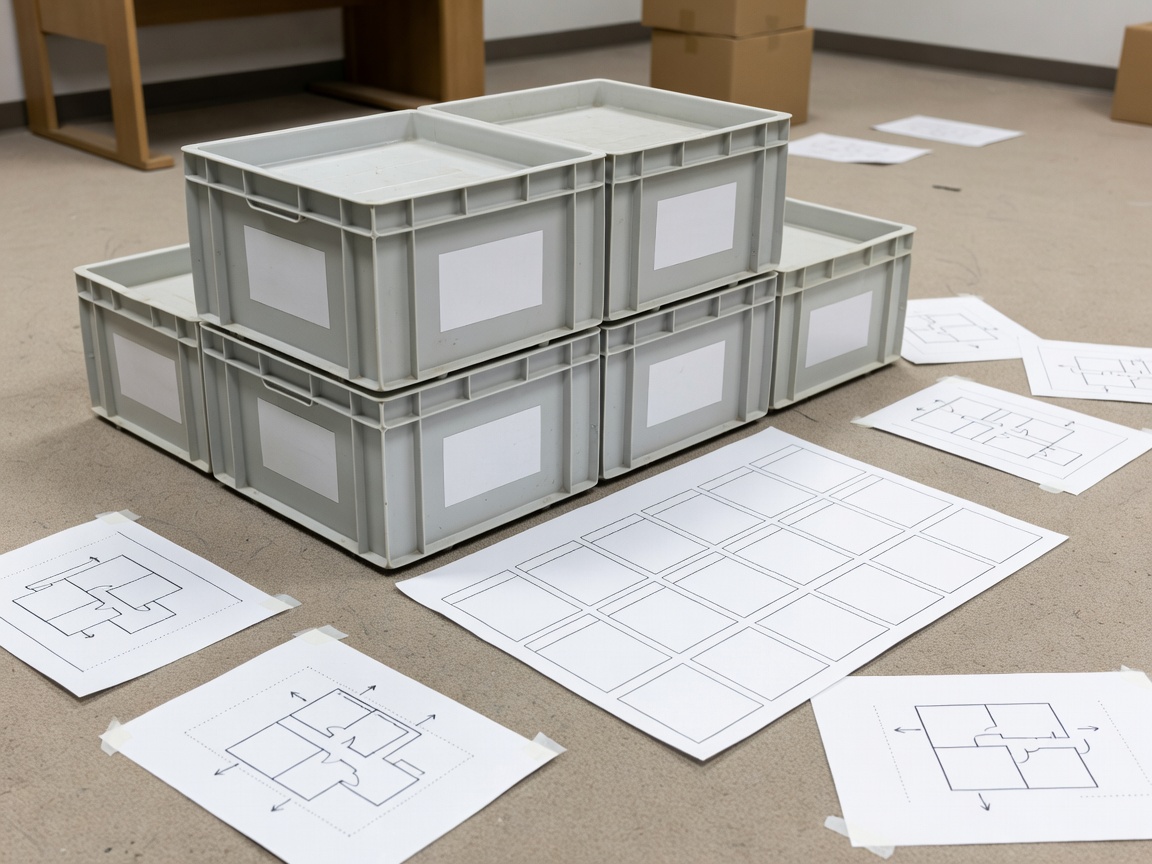
Reliable office moves are planned like operational projects, not last-minute logistics events. Start with discovery: define what moves, what is disposed, what is replaced, and what must be ready on day one. Continue with ownership: assign one timeline lead and department contacts for decision flow. Then prepare with inventory controls, labeling standards, and destination placement maps tied to floor zones.
During execution, teams should follow a repeatable process: sign-out at origin, transfer confirmation, destination check-in, and issue escalation. Post-move, focus on workstation functionality, shared equipment readiness, and quick snag resolution within the first week.
Office relocation checklist
- Create department-level inventory: relocate, store, dispose, replace
- Confirm loading bay, lift access, and security approvals at both sites
- Apply destination-based labels with floor, zone, and unpacking priority
- Publish one internal communication stream with deadlines and responsibilities
- Sequence teams based on business criticality and client-facing commitments
- Run post-move readiness checks for desks, meeting rooms, and shared devices
Need a practical timeline for your move?
Share your move dates, office size, and operating constraints. We’ll help you shape a realistic relocation plan with clear sequencing and accountability.
Send project details